Every fall, product developers start building the roadmap for the year ahead. Each year, the same question pops up: do the trends we’re following have staying power, or will they evaporate before our product launches? The short answer is that functional beverage flavor trends (and in close association, confectionery flavor trends) are getting narrower and more specific. Here are the 2027 food and beverage trends we are watching, and what each shift means at the formulation bench.
This post is a preview to SupplySide Global 2026, where our team will be sampling finished concepts built around exactly these directions. Visit Blue Pacific Flavors at Booth #3245 at the Mandalay Bay Convention Center, Hall E, “Food Ingredients.”
Functional beverage flavor trends are narrowing into two benefit territories
For several years the wellness conversation in beverages was broad. Products claimed to be healthy, and consumers accepted that as a category. That language is losing its power. What we see replacing it is a much shorter list of specific outcomes, and two of them are pulling ahead of the rest: energy and calm.
Energy
Energy is the larger of the two trends, and it is no longer confined to grocery, c-store, or e-commerce channels. In August 2026, a major fast-food chain launched its first energy beverage nationwide in collaboration with a leading brand in the energy category. This brings energy beverages into food service, a sector traditionally reserved for soft drinks, tea, and coffee. We expect this launch to drive a wave of food service beverage innovation in 2027 as product developers tackle syrup stability, ice dilution, carbonation, and matched full sugar and reduced sugar performance. Sign up for our email list to stay informed as we share fresh insights into this and other functional beverage flavor trends.




Calm
Calm is the smaller territory but the faster mover. The evening wind-down drink, built on botanicals rather than alcohol, is showing up in consumer behavior well ahead of the retail shelf. Hibiscus, osmanthus, ashwagandha, and other botanicals with purported calming benefits are moving from tea aisles into sparkling and ready to drink formats. Formulating calm category beverages can be trickier than energy beverages, as many botanicals bring bitter, herbal, or astringent off-notes. These natural qualities require masking to make a taste smooth and relaxing.




Three flavor directions shaping 2027 functional beverage flavor trends
Underneath the benefit territories, three flavor platforms keep surfacing in our consumer trend tracking – and each platform is strong enough to build a range around before it scales.
Bright citrus and floral lift
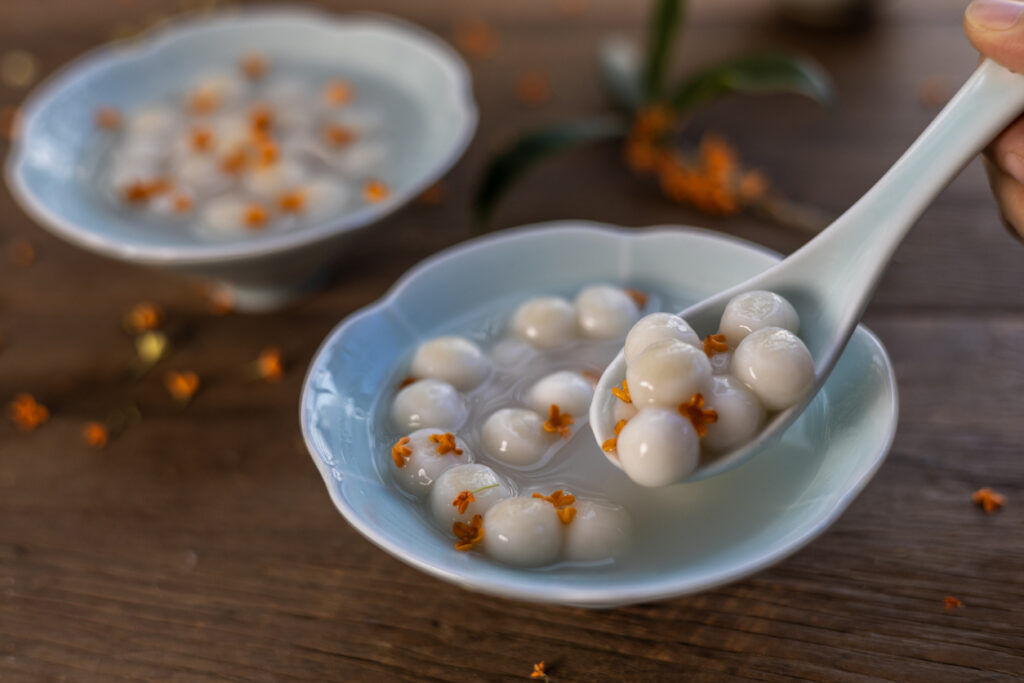
Calamansi, yuzu, osmanthus, and strawberry hibiscus are all gaining ground. What they share is acidity and aromatic top note without heavy sweetness, which makes them useful in reduced sugar builds where something has to carry the front of the palate. Calamansi in particular bridges the citrus and tropical spaces that most US developers already understand.
Roasted depth
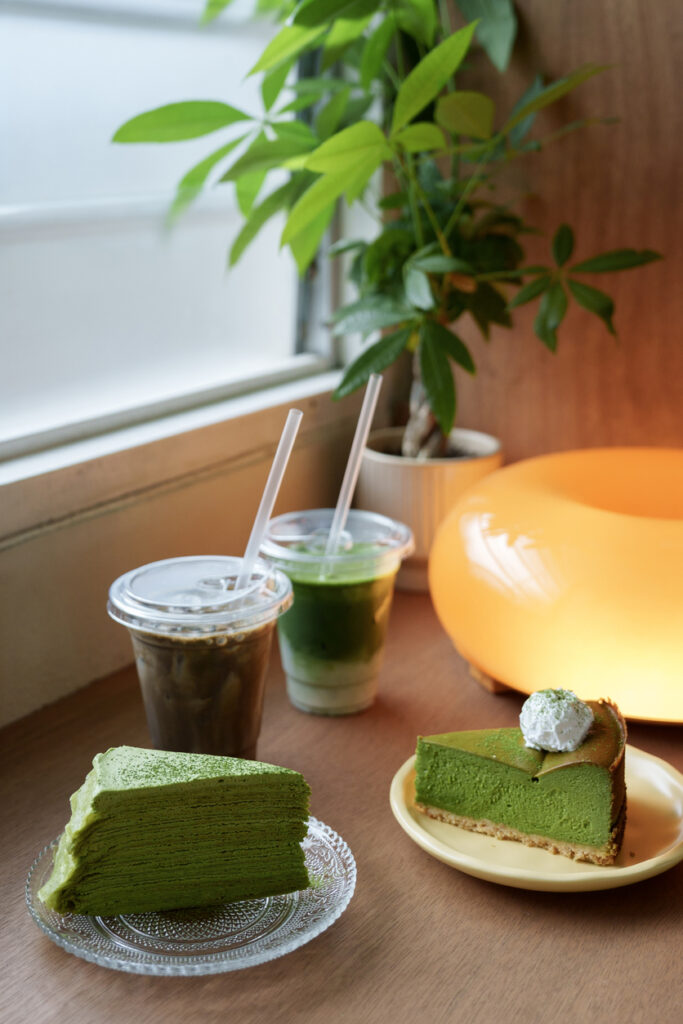
Hojicha, Vietnamese coffee, pistachio matcha, and the cloud-style milk builds around them are moving from specialty cafes into packaged formats. The appeal is complexity: a roasted base gives a drink perceived richness at low sugar levels. This is the direction with the most whitespace right now, and it pairs naturally with the 2026 trends we tracked earlier this year.
Sweet and savory crossovers
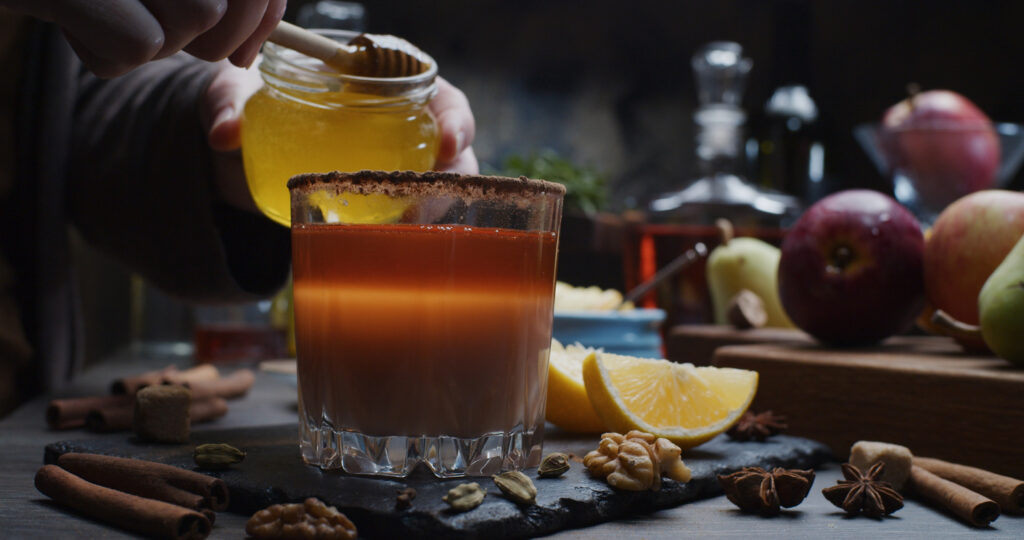
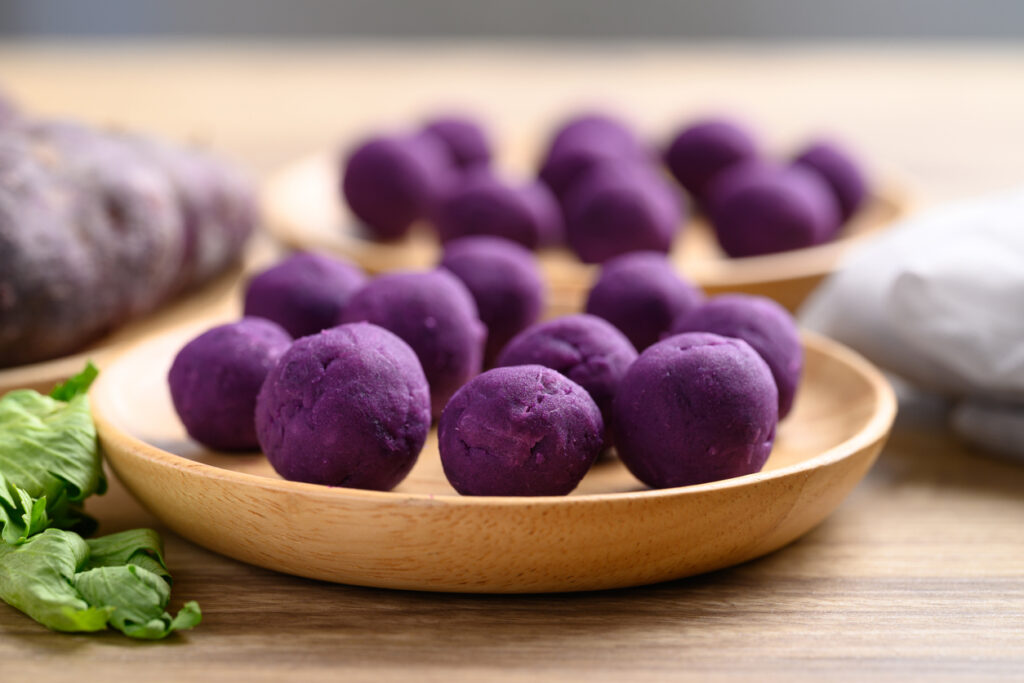
Salted honey and ube are the clearest examples. A small savory or saline edge makes sweetness read as more interesting and less cloying, which is exactly what a reduced sugar formula needs. Expect this to move from beverage into confectionery quickly, because the mechanism works the same way in both.
Confectionery is splitting into two pipelines
The candy aisle is dividing along the same line. On one side is permissible indulgence. One major candy company reports that its zero sugar candy, mint, and gum business grew roughly 4.3X between 2020 and 2025. Looking ahead to 2027, they are focusing on portioned packaging and savory line extensions, including products formulated specifically for the GLP-1 consumer.
On the other side is sensory stimulation. Candies with tart acidity, deep roasted notes, intense fruit profiles, and textural contrast create dynamic and high-impact experiences that surprise and delight consumers. We expect bold combinations such as black cherry chamoy and pistachio espresso to drive confectionery flavor trends in the year ahead.
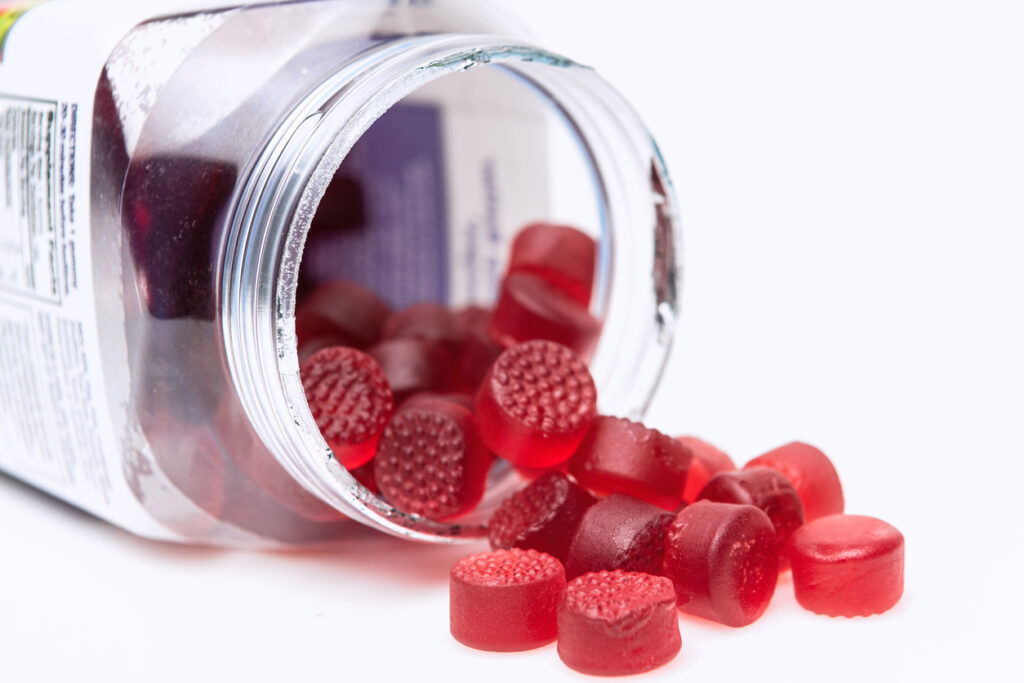
The functional confectionery category, which includes products such as energy gummies and prebiotic chewables, follows both the indulgence and stimulation trends. In addition to delivering an active dose, surviving heat processing, and keeping the integrity of the gel, pectin or powder base throughout shelf life, these products still need to look and taste like candy. That’s no small task, but one our encapsulated and powdered flavor formats and flavor R&D team crush time and time again.
The regulatory layer that will shape 2027 launches
Two changes deserve a place on every 2027 planning document, because they affect what can be claimed and what can be sourced.
First, FDA has proposed converting the voluntary GRAS notification program into a mandatory one. The proposed rule published in the Federal Register on August 11, 2026, with comments open through December 9, 2026, and HHS has described a time-limited streamlined pathway for substances already in commerce. If your formulas rely on independently determined GRAS conclusions, now is the time to inventory them.
Second, the standard of identity for pasteurized orange juice changed effective August 19, 2026. The final rule lowers the minimum soluble solids from 10.5 to 10 degrees Brix and permits up to 15 percent mandarin or mandarin hybrid juice by volume, which FDA frames as added flexibility for manufacturers. In practice it gives juice developers a wider blending window and a real need for flavor balancing across that window.
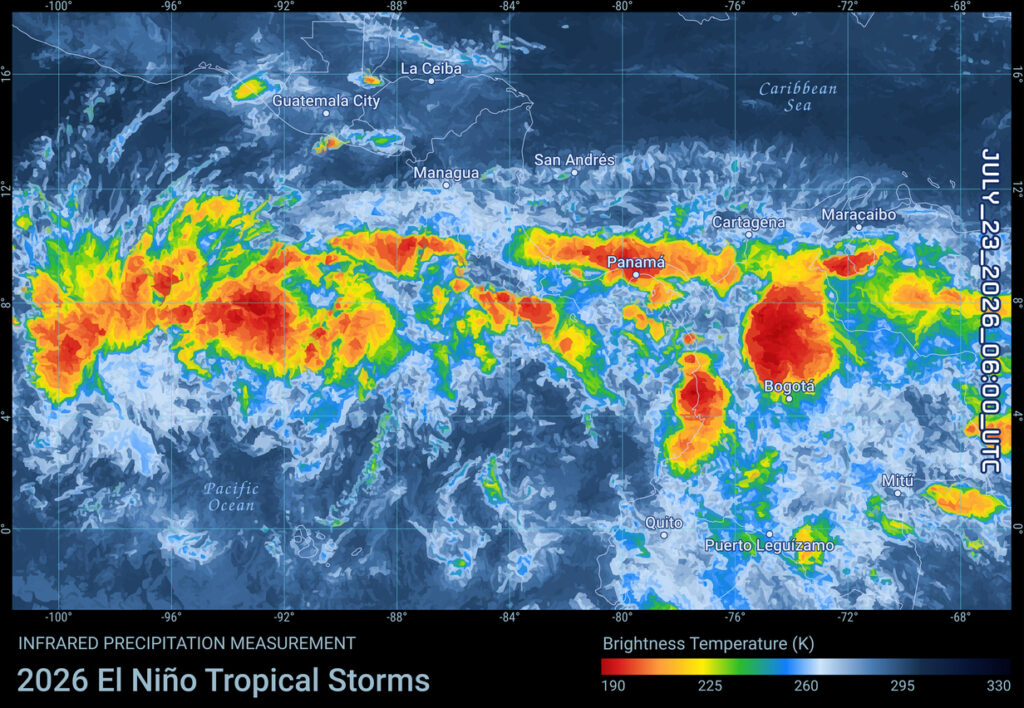
Supply is the third pressure. Reuters has reported that West African cocoa is struggling to meet EU deforestation traceability requirements, and separately that a strong El Nino leaves cocoa, sugar, coffee, and other tropical commodities exposed. Contingency formulas that hold the sensory experience while reducing dependence on the tightest inputs are worth having on the shelf before you need them. Our compliance team can work through claim substantiation alongside the formulation.
What to do with this before 2027 planning closes
Want to bank on the best 2027 food and beverage trends? Here’s how:
- Pick a benefit, not a category. Energy and calm are specific enough to formulate against and can cross over to beverage, confectionery, bakery – you name it!
- Assume masking is part of the brief. Most functional ingredients brings some off-taste, off-note, or technical complexity that must be worked around.
- Build matched full sugar and reduced sugar versions from the start, rather than reformulating later.
- Inventory your GRAS position now, while the comment window is still open.
- Prototype one flavor from each of the three directions above, so you have range to show rather than a single bet.
See these concepts at SupplySide Global, booth #3245
We will be at SupplySide Global 2026 at Mandalay Bay in Las Vegas, booth #3245, with the expo hall open October 28, 29, and 30. Our food scientists will be on site with finished concepts to try, each one showcasing 2027 food and beverage trends. Schedule a meeting with members of our leadership team, who will be at the booth throughout the show. Bring your hardest formulation problem and get answers from the experts – LIVE!
Cannot make it to Las Vegas? Request a sample and we will start the conversation from wherever you are.